
History and Her Story
“Yes, ma’am. Welcome to the Pandemic Memories Museum.”
The independent student publication of the Geneva Graduate Institute
“Yes, ma’am. Welcome to the Pandemic Memories Museum.”
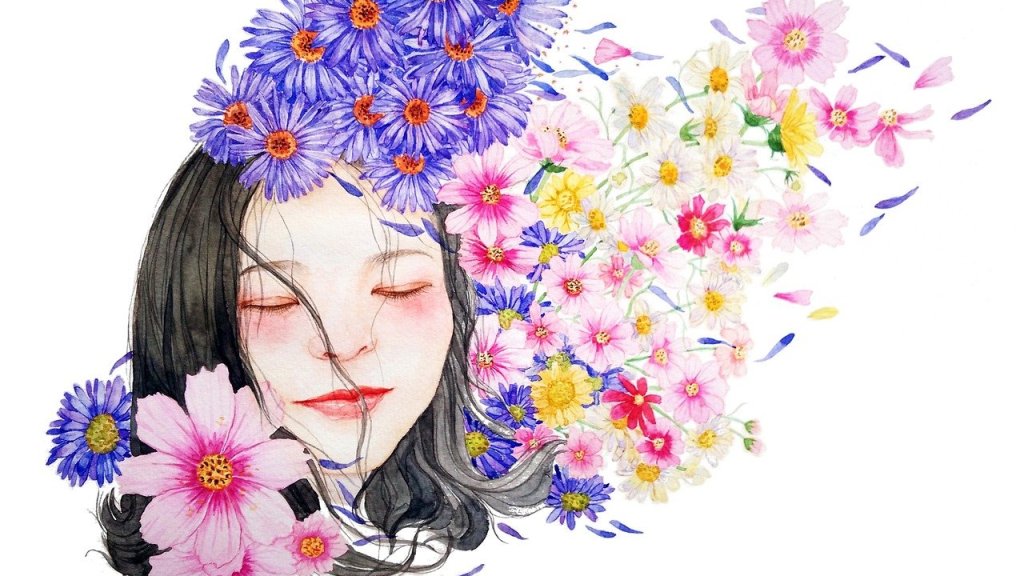
By Abby Naumann Note from the author: this article contains discussion of sexual abuse and healing. Please use appropriate cautionContinue Reading
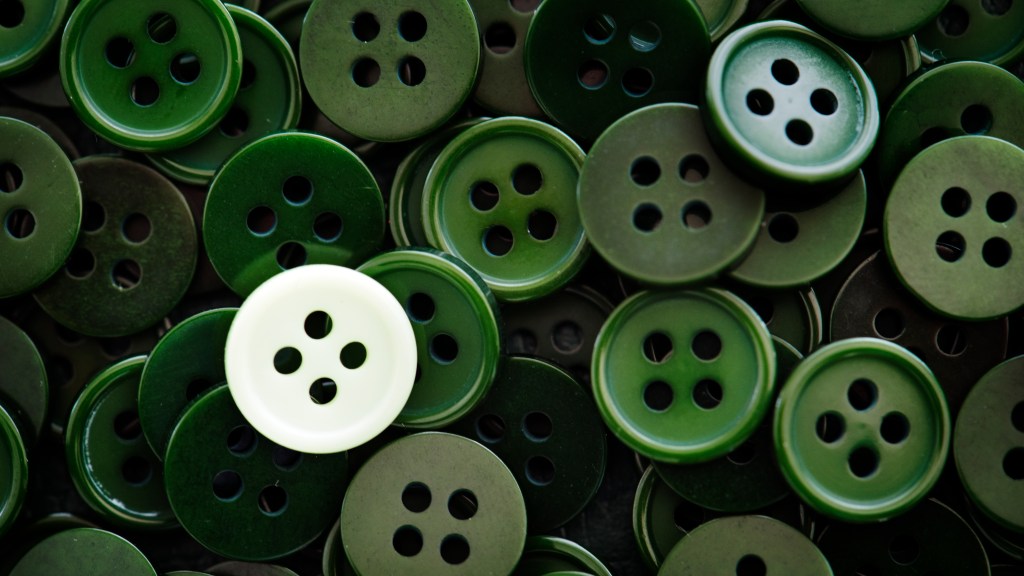
Can we please start to see if the clothes we purchase are environment-and-people-cruelty-free too?
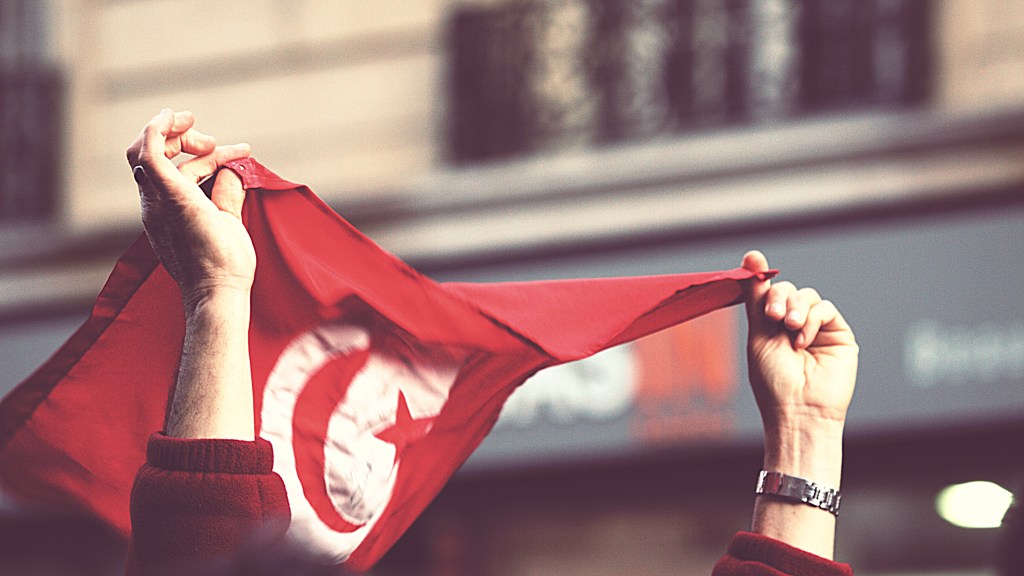
On January 14th, 2020 some Tunisians gathered at Habib Bourguiba Avenue in downtown Tunis, the capital of Tunisia, celebrating the 9 years of the Revolution.

It felt strange, looking at a political crisis of literal pandemic proportions through light-hearted jabs. I often found myself wondering if the picture I had painted of the world in crisis was true- both globally and within the microcosm of communities directly associated with me. It felt even more bizarre to be told that I was living through a moment of immense historicity.
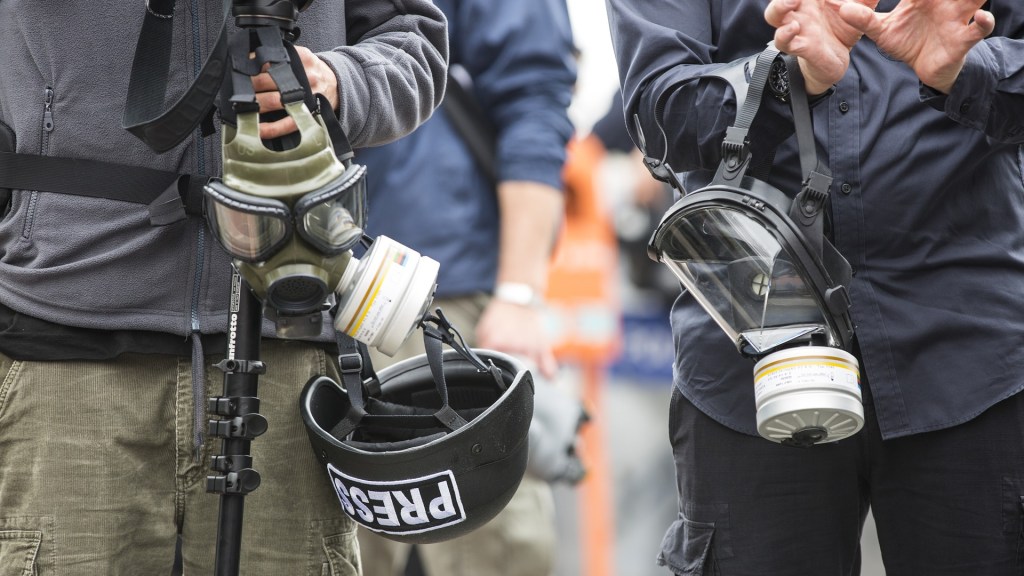
Takeaways from the World Press Freedom Conference 2020.

By Tapakshi Magan Annecy is perfect for a short break from the gloom that clouds Geneva once the winter setsContinue Reading
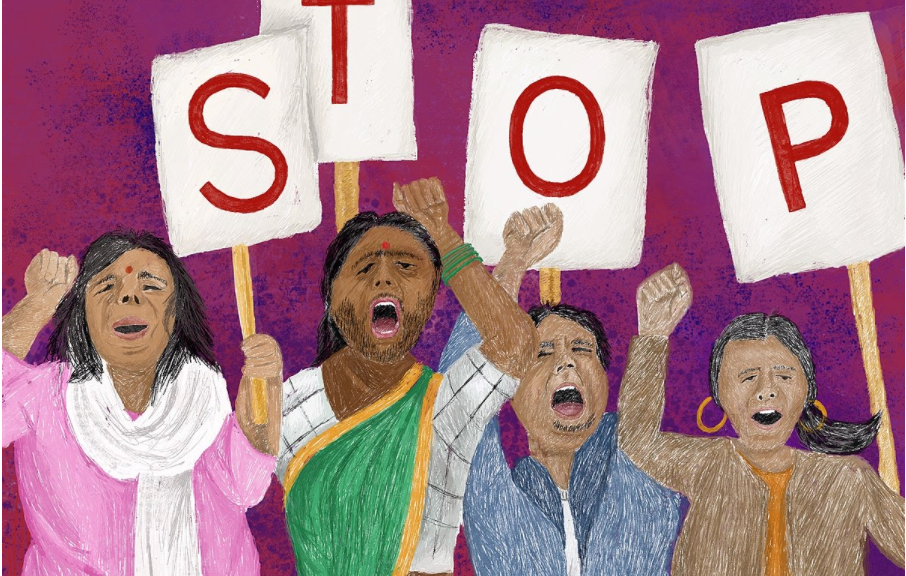
By Sophie Heigel Reflections from the Gender, Peace and Security Coalition’s panel discussion with Nadine Puechguirbal, Monica Mendez, Dr YvetteContinue Reading
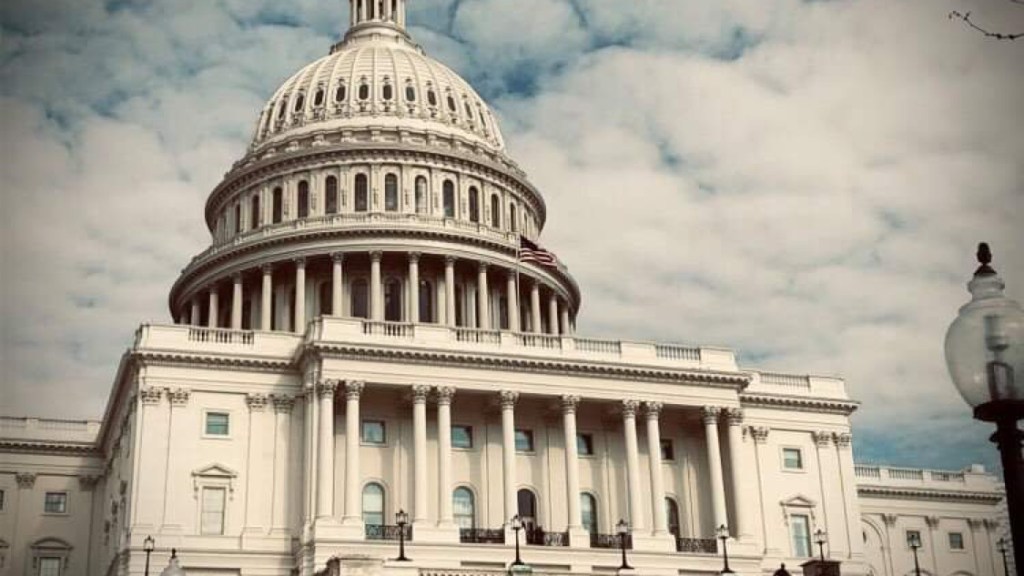
By Abby Naumann Note from the author: This article has been published in response to the storming of the U.S.Continue Reading

 The Graduate Press - La Gazette de la Paix