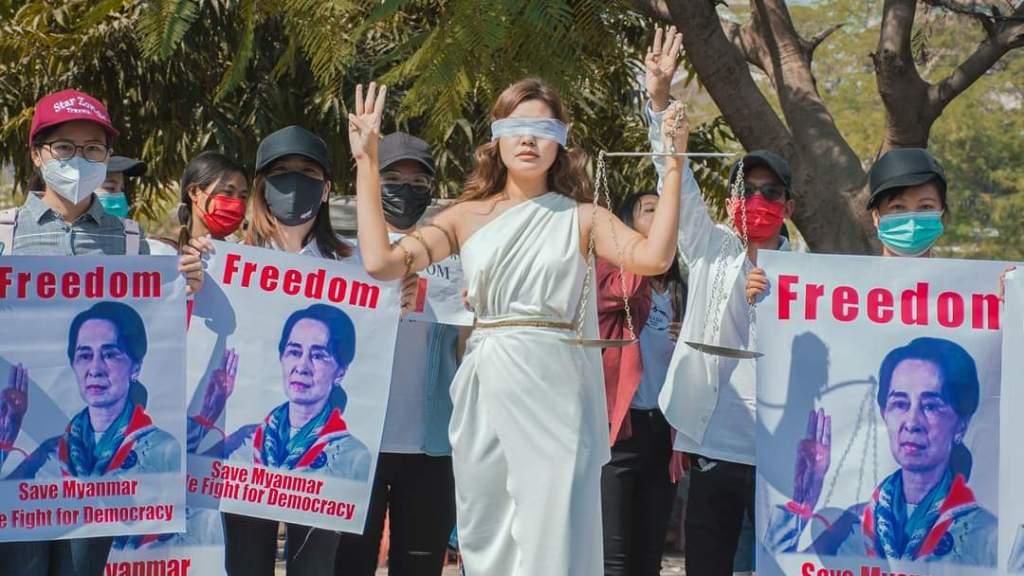
#WhatsHappeninginMyanmar: Myanmar Needs A Constitutional Reform, But So Does ASEAN
By Nemhoilhing (Hoi) Kipgen and Samuel Pablo Pareira Note: This piece represents the opinions of the authors, and may notContinue Reading
The Graduate Press – La Gazette de la Paix
The independent student publication of the Geneva Graduate Institute
By Nemhoilhing (Hoi) Kipgen and Samuel Pablo Pareira Note: This piece represents the opinions of the authors, and may notContinue Reading

Par Dario de Quarti « Quand un black marque un but, tout le stade est debout. […] Non, il n’y aContinue Reading

By Amrita Bhatia Mohsin Hamid’s ‘Exit West’ had been sitting on my shelf since 2018, a gift from two friendsContinue Reading

On the Swiss-Indonesia Free Trade Agreement Referendum
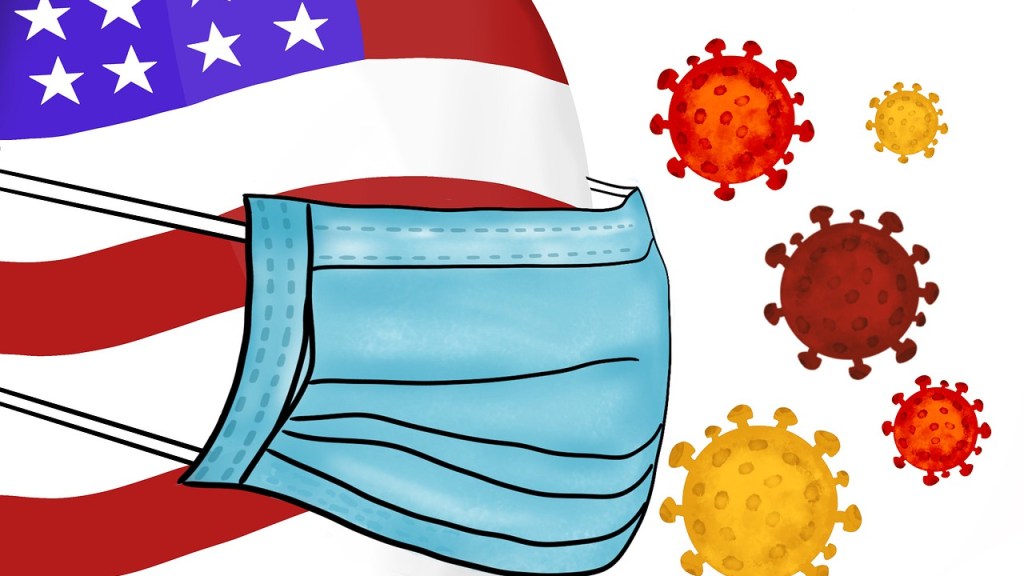
By Janine Furtado Disclaimer: The following article should be taken as satire. It depictsa fictitious situation told from the perspectiveContinue Reading

On March 7, Switzerland will vote the referendum popularly called “burqa ban” which will decide on the prohibition of face-cover (burqa). This article focus on the issue of the burqa ban referendum and its dangerous effects of “othering” Muslims and institutionalizing it while enacting islamophobic policies.

Depuis plusieurs années, la société civile et les organisations féministes critiquent le droit pénal suisse en matière sexuelle et demandent une réforme. Début février 2021, un projet de révision de la Commission juridique du Conseil des États a été mis en consultation. Pourtant, ce projet a suscité de vives réactions : il n’est ni en conformité avec la demande de la société civile, ni avec la Convention d’Istanbul. Retour sur ce combat féministe et ses défis actuels.

For many years, civil society and feminist organisations have been criticizing Swiss criminal law on sexual matters and have been calling for reform. In early February 2021, a draft revision proposed by the Council of State’s legal committee has been submitted for consultation. However, it sparked strong reactions: it is neither meeting civil society’s demands nor is in accordance with the Istanbul Convention. Let’s take a look back at this feminist fight and its current challenges.
There I was, and presumably most other students, pouring over the last assignments and in the throes of completing final submissions, when an email hit my inbox, “Don’t forget to register: Solidarity Action”.

By Chiara Azzarelli In January, most people in Milan were carrying on with their lives seemingly careless of the factContinue Reading

 The Graduate Press - La Gazette de la Paix