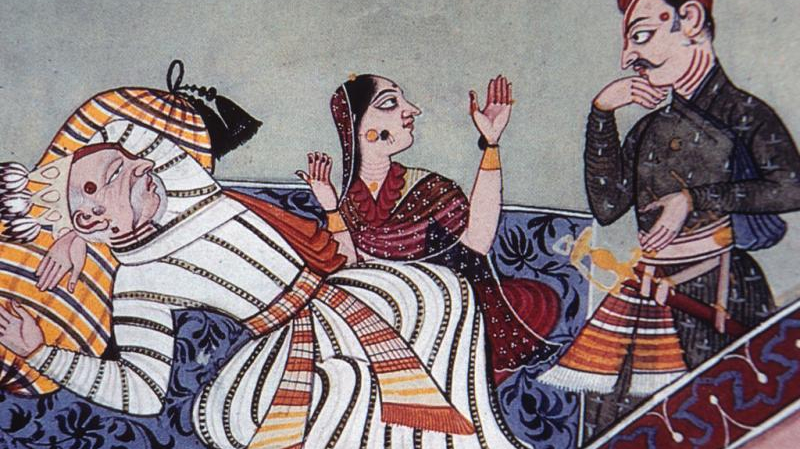
The Day that Daadu Died: Mourning with the Virus
What kinds of ethical crises does one encounter while mourning the death of one’s intimate other during a pandemic, far away from home?
The Graduate Press – La Gazette de la Paix
The independent student publication of the Geneva Graduate Institute
What kinds of ethical crises does one encounter while mourning the death of one’s intimate other during a pandemic, far away from home?
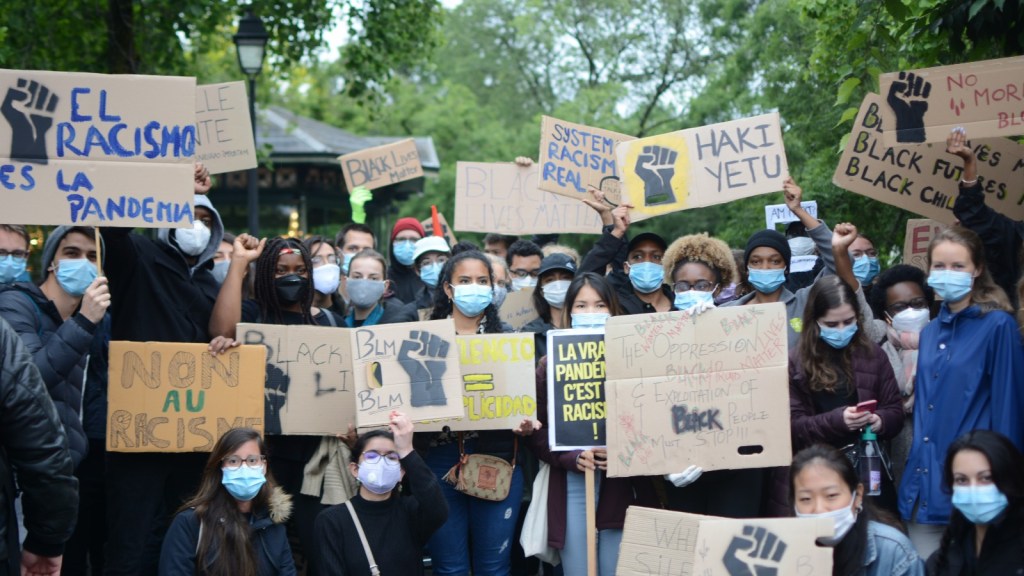
In part 2 of our coverage on the BLM protests that took place on June 9th, this article puts a spotlight on the protest’s implications for the student body and the Institute.
Voici la deuxième partie de notre couverture de la manifestation antiraciste du 9 juin dernier. Cet article se penche ainsi sur comment le corps étudiant de l’Institut a perçu, vécu et fait sens de la manifestation organisée par BLM suisse romande.
Discrimination, racialization, and transnational social movements are intricately layered within each context they manifest in — the Institute is no different.
The Rohingya Refugees carry with them a painful history of oppression from ethnic cleansing, and continue to be a persecuted minority. How do the Burmese government and the Tatmadaw sustain and push the representation of the Rohingyas being ‘illegal immigrants’?
Dans cet article, David Rochat revient sur les réactions suite au meurtre de George Floyd, afin de soulever des interrogations concernant l’emploi de la notion de “diversité” à l’Institut, et plus particulièrement par GISA. Il plaide également en faveur de plus de sollicitations médiatiques, déclarations politiques et réflexions académiques capables d’embrasser et d’interroger le racisme dans sa complexité transnationale.
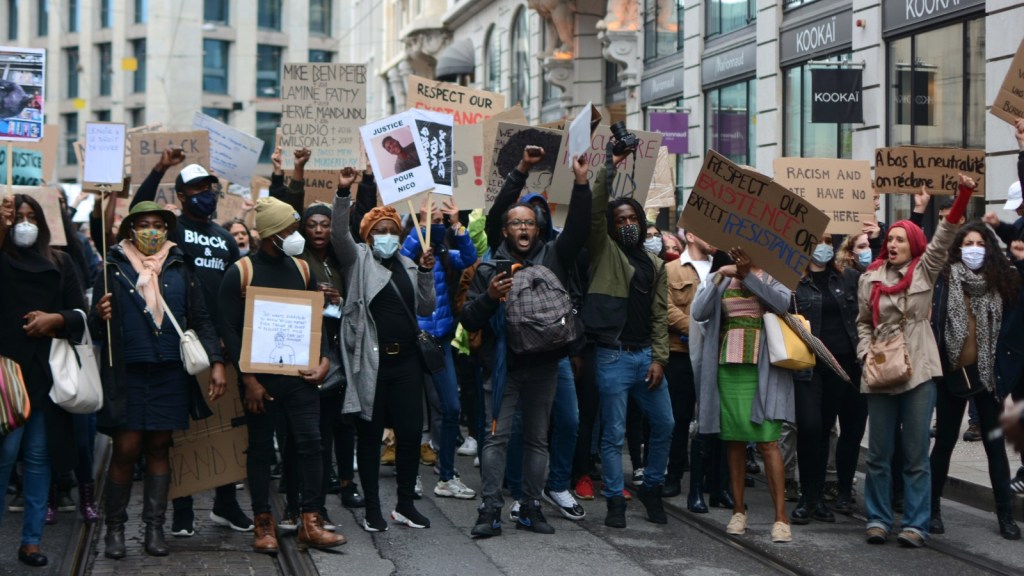
This article reviews the impressive anti-racist demonstration happening on June 9th in Geneva, placing it within a broader history of racism and police brutality in Switzerland.
Cet article revient sur l’impressionnante manifestation antiraciste du 9 juin dernier à Genève, et tente d’explorer les questions plus larges que posent les problèmes de brutalité policière et de racisme en Suisse.

COVID-19 has shown us that the history of pandemics is deeply entangled with mental shortcuts and biases different societies hold in responding to a crisis. What then can we learn from this very global yet deeply personal experience?
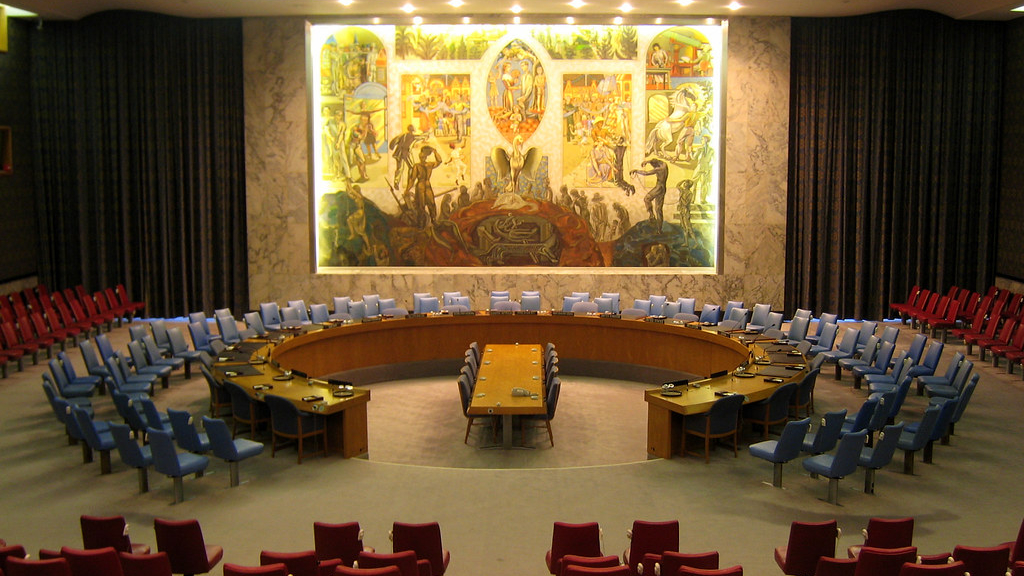
With an unresponsive UN Security Council and an increasing securitisation of global health, whom do we hold accountable when conflicts continue to brew in a pandemic?

First time to be conducted online, the GISA GA raised questions of procedural inclusivity among initiatives, especially in the changes of its statutes.

This second edition of Feminist Voices will tackle the notion of privilege — one that is at the centre of numerous debates today. Grappling with privilege is a constant learning process, and I believe we can help one another on this journey.

 The Graduate Press - La Gazette de la Paix