
By Melisa Kisacik
On May 13th, we launched the newest printed edition of our journal, an edition imagined for uncertain times. At a moment when many students are looking toward the future with both ambition and uncertainty, we wanted to create something that could offer reflection, perspective, and hope. More than a collection of articles, this edition became a way of asking how we move forward, and what kind of future we want to build together.
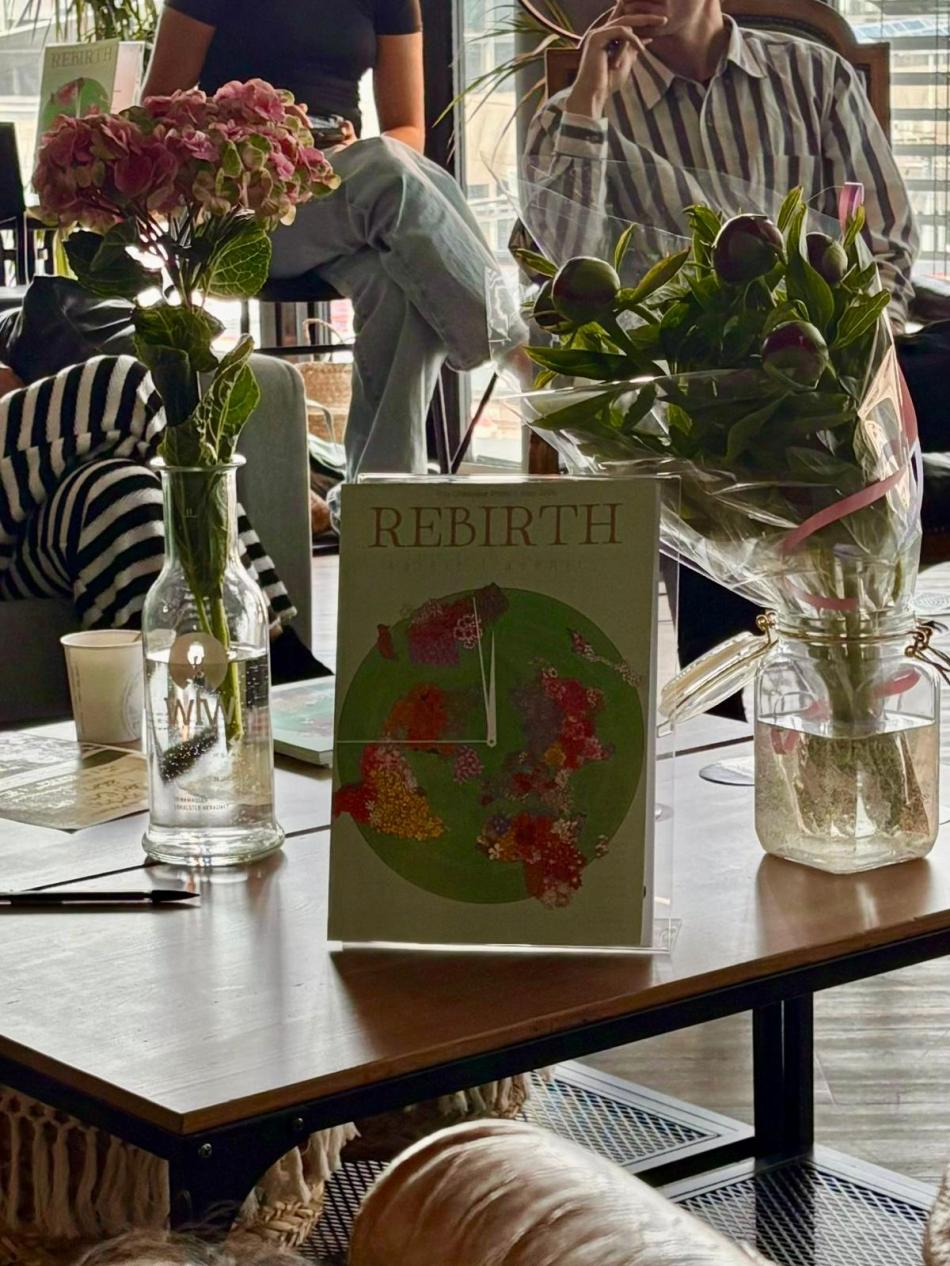
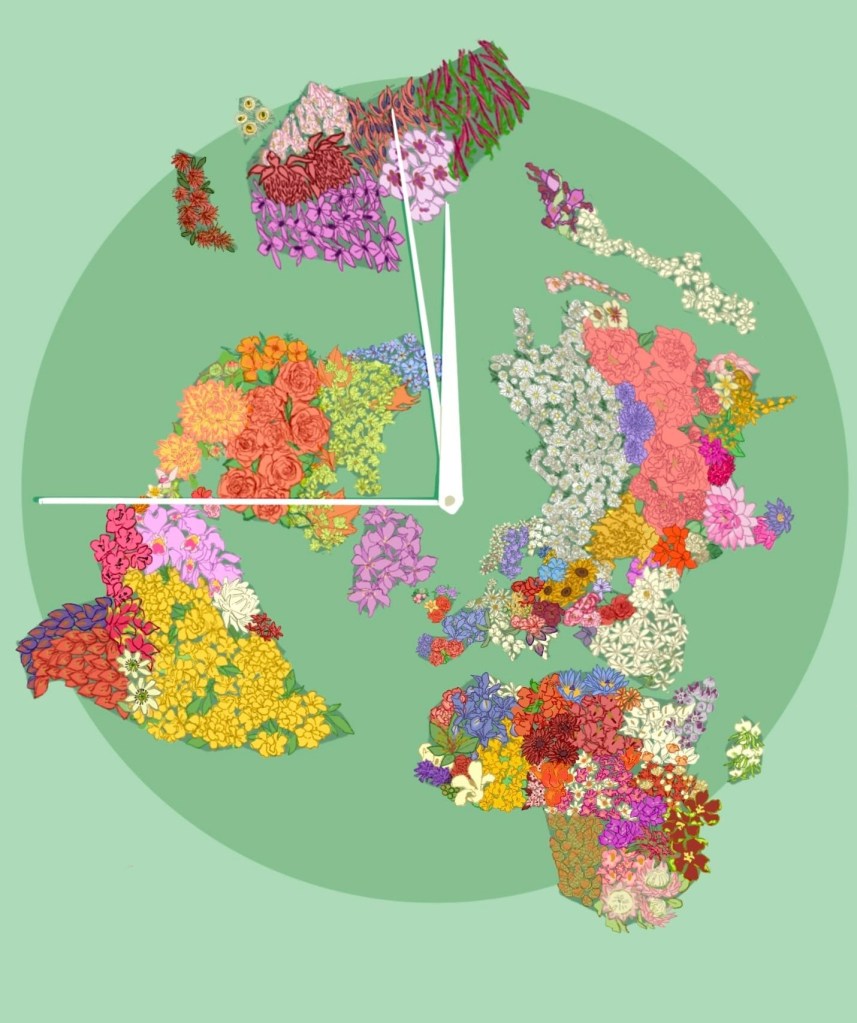
This idea is reflected in the cover itself. Designed by our reporter and editor Nadir Gerber and inspired by Geneva’s famous Flower Clock, the cover replaces the traditional arrangement of flowers with a map of the world, filled with the national flowers of different countries. The image brings together symbols of identity, diversity, and renewal into a single shared landscape. It reflects the theme of this edition: Rebirth, saisir l’avenir.
Rebirth, because spring returned to Geneva, because the academic year is slowly coming to an end, and because many of us are already turning toward what comes next. At a place like the Graduate Institute, where students arrive from across the world carrying different experiences, uncertainties, and ambitions, the future often feels both exciting and fragile. Saisir l’avenir — to seize the future — because the future is not something that simply arrives on its own. It is something we must imagine, shape, and build collectively.
To mark the launch of the edition, our editorial and events team members, Gregory Wagner, and Madeleine Fages, organized an open conversation on the future of journalism, humanitarianism, and the global order with Dr. Tammam Aloudat, CEO of The New Humanitarian, and Imogen Foulkes, BBC Geneva Correspondent and host of the podcast Inside Geneva.
Drawing from years of experience reporting on conflicts, humanitarian crises, and international affairs, both speakers reflected on the growing challenges facing journalism today. In a world increasingly shaped by disinformation, political polarisation, and violence, they reminded us that a free and independent press remains essential, not only to inform, but also to hold power accountable.
Imogen Foulkes spoke about the importance of protecting journalists and defending freedom of the press at a time when both are increasingly under pressure across the world. Her intervention highlighted the vital role journalists continue to play in documenting crises, amplifying overlooked stories, and preserving access to reliable information.
Dr. Tammam Aloudat, meanwhile, reflected on the responsibility that comes with shaping narratives. Journalism is not only about reporting facts, but also about deciding which stories are brought forward, whose voices are heard, and which realities risk remaining invisible. His remarks offered an important reminder that information is never entirely neutral, and that the way stories are told can shape public understanding, empathy, and political action.
Together, the discussion echoed the central idea of this edition: that the future is not something distant or abstract, but something constructed through the choices we make collectively, including the stories we choose to tell.
Beyond the discussion itself, the evening also became a moment of encounter and exchange within the Graduate Institute community.
In an increasingly digital and fast-moving world, the launch of a printed edition felt meaningful in itself. Around the room, copies of the journal circulated from hand to hand, conversations continued long after the panel ended, and new ideas emerged between people from different backgrounds and disciplines. The event reflected what student journalism can still offer today: a space for reflection that resists immediacy and encourages deeper engagement with the world around us.
This edition was never meant to provide definitive answers to the uncertainties of our time. Rather, it was conceived as an invitation to think critically about the future while refusing cynicism or resignation. Through the articles, interviews, and conversations it contains, this printed edition seeks to explore how renewal remains possible even in periods marked by instability and doubt.
We hope you enjoyed reading this edition as much as we enjoyed imagining, discussing, and bringing it to life. More than anything, we hope it encourages reflection, conversation, and perhaps a renewed sense of possibility for the future ahead.
So, as this year comes to an end and a new chapter begins, let us not forget to saisir l’avenir.


0 comments on “REBIRTH: SAISIR L’AVENIR !”