
by Juanita Herrera
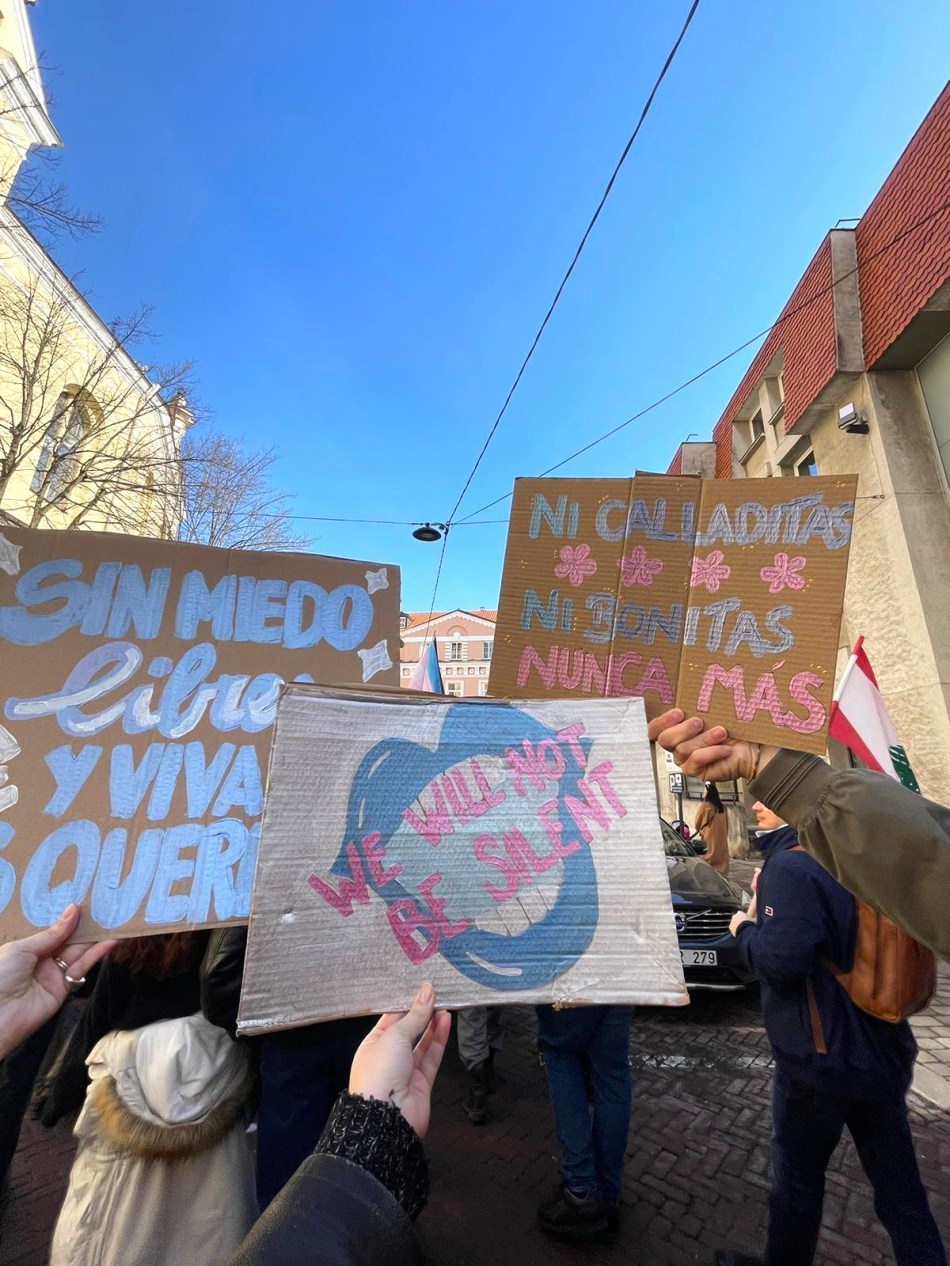
We women hear it so often: “Don’t go alone at night”. “Be careful”. “Text me when you get home”.
These warnings have become too familiar. But why should our everyday lives be shaped by fear? And why, despite all these precautions, is it still not enough?
Worldwide, one in three women has experienced physical or sexual violence, according to UN Women.
“No country in the world has reached full legal equality for women and girls,” states UN Women. Meanwhile, according to the European Institute for Gender Equality (EIGE), full gender equality remains at least 50 years away.
We are not only far from achieving equality as a society; women and girls around the world are also seeing their rights threatened, restricted, and, in some cases, taken away.
When Being a Woman Becomes a Matter of Survival
In Afghanistan, women’s rights remain under constant siege because of Taliban policies. he consequences go beyond the loss of freedom: they can determine whether a woman lives or dies.. The country has one of the highest maternal mortality rates in the world, as 521 women die for every 100,000 births.
The situation has worsened because of cuts to international cooperation, the closure of primary healthcare centres, and the limited availability of female healthcare workers. Taliban restrictions on women’s education and employment have also halted the training of female doctors, nurses, and midwives.
Not far away from Afghanistan, in India, mass protests by university students have erupted following a series of rape cases in Delhi in recent weeks.
The reported cases include the rape of a 17-year-old girl in a public park by three men posing as police officers; the gang rape and murder of another 17-year-old; and reported cases involving an 11-year-old and a six-year-old girl in the same month. Last month, a 16-year-old girl was allegedly raped by a bus driver.
According to data from the Japan Times, India recorded an average of 80 rape cases per day in 2024, a significant increase from the average of 68 per day recorded in 2012.
People in India are demanding justice, women and girls should be able to walk around a park safely or take a bus without fear.
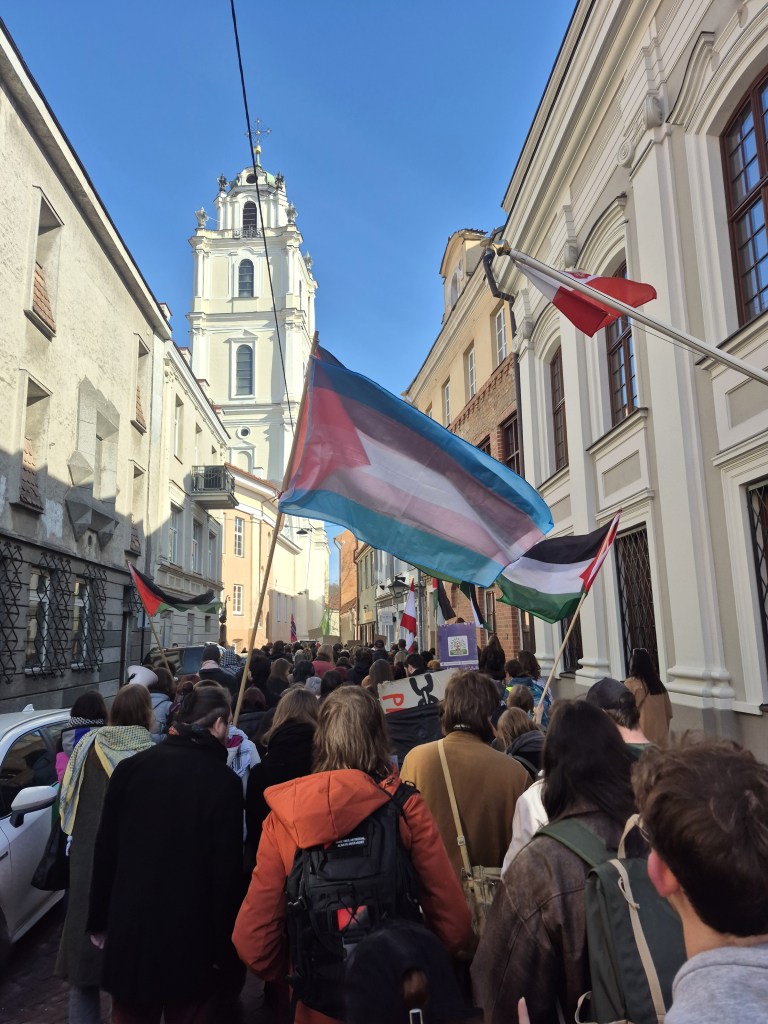
Photo by Juanita Herrera
No Age, No Country, No Excuse
Rape and sexual violence are not confined to a particular age group. Nor are they limited to one part of the world.
In Colombia early this week, a 72-year-old woman was raped and later died after being taken to hospital.
This is not an isolated concern. According to open-source data from the Attorney General’s Office, more than a hundred elderly women have been victims of sexual crimes so far this year.
At the same time, another struggle over women’s rights is unfolding in the same country. Only weeks ago, women took to the streets wearing green bandanas to demonstrate in favour of abortion rights in Colombia.
Although abortion was legalised in 2022, this hard-won right may now be in danger. Abelardo De la Espriella, who took office as president in August 2026, has proposed reviewing the country’s abortion laws and described abortion as a “monstrosity”.
The possibility of losing a right that women fought to secure highlights how fragile progress can be.
On the other side of the globe, the killing of 44-year-old Cameroonian women has raised concerns about rising femicide rates in the country.
Citizens are calling for stronger action, including the introduction of a specific law against femicide. They argue that impunity and harmful gender stereotypes continue to fuel violence against women across the country.
This case is one of many. Eight women across Cameroon were killed in a single week, sparking outrage and renewed calls for specific legislation to tackle gender-based violence.
In South Africa, women are also calling on the government to act on the country’s femicide crisis. Protests erupted after the bodies of nine murdered women were discovered near Johannesburg.
The scale of these cases raises an urgent need for action and laws that protect women.
Equality Cannot Wait Another 50 Years
These cases, which occurred within just two months – September and October 2026 – spanning Afghanistan, India, Colombia, Cameroon, and South Africa, are only a few examples of the threats facing women and girls.
Although there may also be positive examples of women’s rights being defended and protected by communities and governments, the cases highlighted in this article make it difficult to ignore how much remains to be done.
It should not matter where you live, where you come from, what clothes you wear, or what time of day you walk alone. Every woman and every girl deserves to live without fear. Safety should not be a privilege, and equality should not be a distant promise.
One in three women is one too many.
And 50 years to achieve equality is too long.


0 comments on “What Does It Mean to Be a Woman in a World That Still Isn’t Safe?”