
By Paolo Tarony Saisi De Chateauneuf
How does Swiss Neutrality endure, and why have newcomers risked failure?
Walking through the streets of Geneva’s old town, you rarely, if ever, see a building that looks historically inadequate or anachronistic. One does not typically remark, “A bomb destroyed the previous structure, and an unattractive replacement was constructed.” This situation is rare across Switzerland, largely due to its legally guaranteed neutrality established at the Congress of Vienna in 1815. This long-standing principle continues to shape the country’s identity, as evidenced by ongoing public debate and the future 2026 referendum in which Swiss citizens will be asked to uphold the country’s neutrality. How can a country uphold this image and position of neutrality?
Switzerland’s neutrality wasn’t achieved by mere accident. It has been the product of a carefully constructed design. This stems from the Helvetic people’s willingness to defend themselves militarily, the ability of Swiss diplomacy to please both sides of conflictual parties, and perhaps, most importantly, the ability of the Swiss government to promote the nation’s non–alignment policy internationally. Furthermore, Switzerland has successfully persuaded major powers to acknowledge its neutrality, thanks largely to the benefits it provides. Over the past decades, Switzerland has served as a haven for foreign intellectuals and refugees, safeguarded the financial assets of wealthy individuals, provided humanitarian assistance, and acted as a venue for diplomatic discussions between conflicting parties.
Most importantly, Swiss neutrality has endured due to its powerful symbolic dimension. Rather than being a policy driven solely by elites, neutrality is deeply ingrained in the fabric of Swiss culture. When speaking with Swiss citizens, one often notices a strong sense of pride in their neutrality. When you ask them about ongoing geopolitical situations, they tend to respond in a diplomatic and nuanced manner, maintaining careful neutrality.
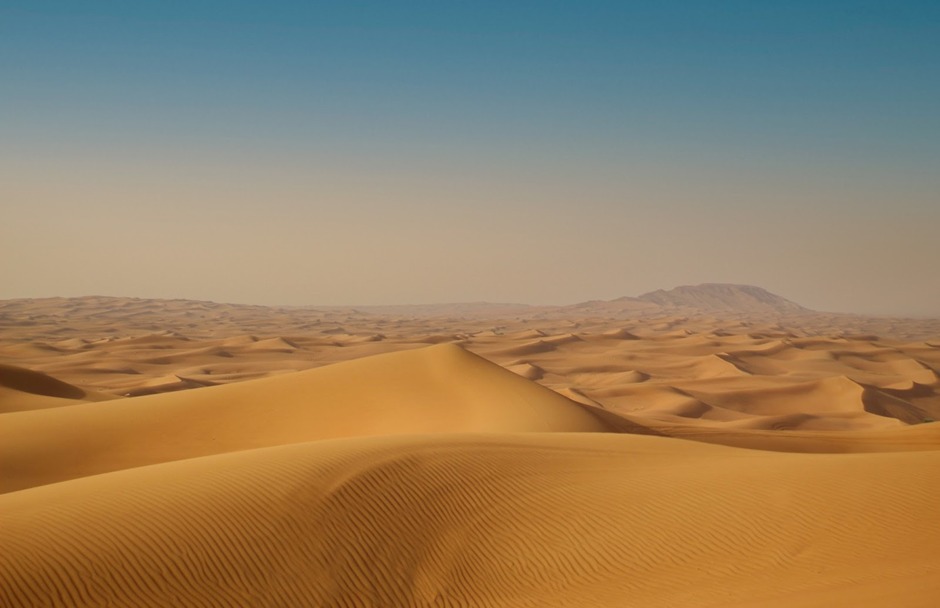
Many countries have attempted to replicate the Swiss model. Consider the case of the United Arab Emirates, particularly Dubai. The city has spent decades creating the image of an oasis of calm in a desert of conflict, which is the Middle East. Its rulers envisioned creating a sort of Arabic Switzerland, with its tall skyscrapers, its luxurious restaurants, its lively nightlife and its tax-friendly environment. Dubai tried to emulate the city of Geneva by positioning itself as a global financial hub for foreign investment and commodity trading. It promoted the image of political non–alignment and accepted the role of doing business with everyone. Until the recent regional crises, this approach had been effective; except for the fact that they lacked one key aspect: neutrality. Unlike Switzerland, with its well-known impartiality, the UAE has been involved in multiple regional conflicts, thereby generating a list of enemies. It participated in the intervention in Libya in 2011 and backed General Haftar’s forces in the subsequent civil war. In addition, it has supported, through financial and logistical support, the Rapid Support Forces in Sudan, which have been accused of genocide. Then, the UAE has also pursued an aggressive campaign against the Muslim Brotherhood across the Arab world. In Somalia, the UAE has given its support to the separatist enclave of Somaliland, thereby severing its ties with the national government once and for all.
Moreover, the UAE has a close military alliance with the United States. In fact, they host Al Dhafra airbase outside of Abu Dhabi with 5,000 military personnel, while Dubai’s Jebel Ali port is the US Navy’s largest port in the Middle East, commonly used by aircraft carriers. In contrast, Switzerland has never hosted foreign military bases on its soil. Therefore, even though Dubai and the other six Emirates have managed to convince part of the world that it is a safe haven, they have also indirectly caused their own demise due to their geopolitical involvement. Just one small spark could be enough to undermine Dubai’s glamour, because the UAE cannot pretend to be neutral while simultaneously engaging in indirect interventions and hosting military bases. Eventually, the thin line will tear, especially considering the fact that the UAE is geographically located in a strategic and conflict-prone region of the world.
Finally, what stands out? First, the Swiss model is extremely difficult to replicate. The reason why states like the UAE fail, is because they seek power. If they wanted to follow in Switzerland’s footsteps they, maybe, should have maintained a disciplined neutrality, instead of getting greedy and seeking to expand their geopolitical reach. In a conversation with a friend who has had a business in Dubai for several years and recently experienced the impact of ongoing drone attacks, he told me “The UAE is nothing like Switzerland. You asked me if I always felt safe in Dubai and whether it is supposed to be neutral—well, no. The UAE present themselves as neutral, but in reality, they position themselves strategically and intervene behind the scenes. How can they claim to be a safe haven? I believed it for a while, but not anymore.” This testimony illustrates the core issue with the UAE: if they claimed to be neutral, they cannot simultaneously engage in covert military intervention, as this undermines both their credibility and their safe haven environment. Hence, what Switzerland built in the past centuries hasn’t been replicated, because it is the product of a long, unhinged and meticulously woven web of institutions. Which, alas, helps Switzerland bypass accusations regarding its involvement in shady businesses.
The UAE might still have the glamour, the fast cars, the exuberant nightlife and the weather. Nevertheless, it lacks Switzerland’s ability to remain humble, also thanks to its wealth, and ensure its neutrality through persuasion, stability and, above all, credibility. The key question now is if the United Arab Emirates’ poor imitation will endure?
 The Graduate Press - La Gazette de la Paix
0 comments on “The Art of Staying out: Swiss Neutrality, Emirati Ambition, and the Limits of Imitation”