
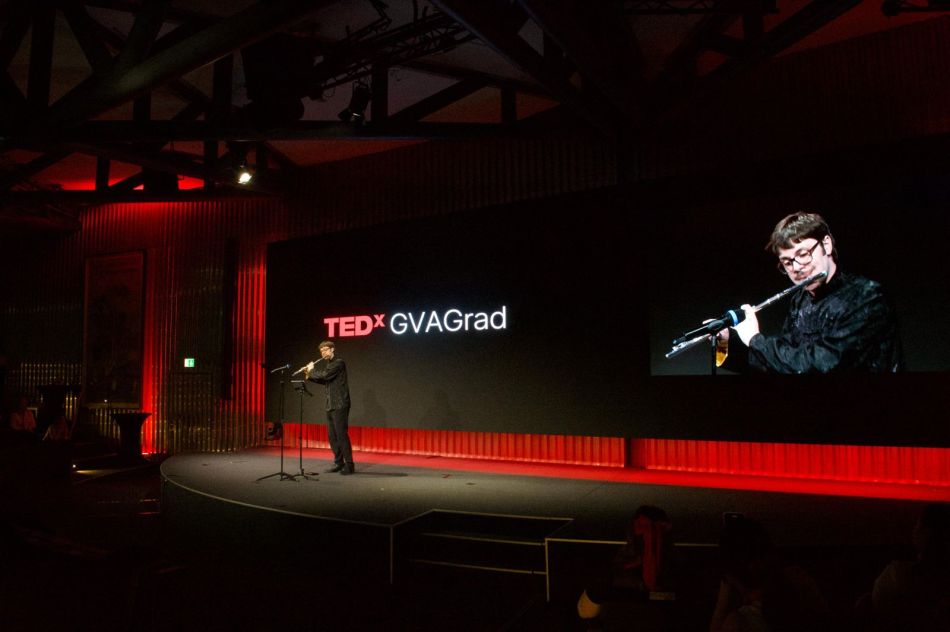
On March 15 2025, TEDxGVAGrad made its much-anticipated return to Maison de la Paix with an inspiring theme: Building Bridges. In an age of division and uncertainty, this event served as a space for dialogue, inclusion, echoing the common voice of building bridges.
The event opened with a performance by Mide Johnson, who reminded us that bridges enable a physical and metaphorical flow of ideas and relationships. Mide and his band’s music wove narratives of home, exile, resilience, and the need to create belonging which set the stage for this year’s TEDxGVAGrad.
Redefining rights and inclusion
Jasmine Simperingham presented staggering UNHCR data on the 38 million refugees worldwide and challenged the audience to see beyond political rhetoric. She emphasised the legal community’s role in advocating for refugees and called for more accessible legal networks. Moving forward, Evangelos Athanasiadis transported us across the Mediterranean, exploring its historical significance as “a bridge of hope and displacement”. From the waves that carry migrants to new lands to the winds of political change, he urged us to define our movements – what drives us and what we fight for.
Jennifer Thornquest, a student from MINT’s Migration track, tackled the complex intersections of national security and refugee politics. She recounted her own experience as a DJ in her early working days to throw light on how music became a bridge for her between cultures, advocating for a shift from fear-driven policies to evidence-based solutions.
The Power of Storytelling, Art and Symbols
Franklin Moya’s insights on ADHD were both “personal and universal”, as he painted a vivid picture of diagnosis, self-discovery and the path to understanding oneself. He reiterated that knowledge is power but so is self-acceptance. Agnés Aubert delved into the power of symbols in shaping our realities. From personal anger and entrapment to healing and peace, she traced a journey where art became evidence of existence and resilience. Her final words resonated deeply with the audience when she said “forgiveness is not really an obligation but an initiation”. Transdisciplinarity has been a recurring theme in the institute’s academic discussions and Triya Roy brought attention to the value of this approach through her speech.
The second half of the session kicked off with Natael Fautrat, who is an “idea maker” dedicated to empowering young people and is strongly motivated by themes of self-exploration and travel. He has wanted to make change and advocate for a better world ever since he travelled from France to Germany on his bicycle for his Erasmus. That semester had him organising community cookouts and led to him realising that food can build bridges.
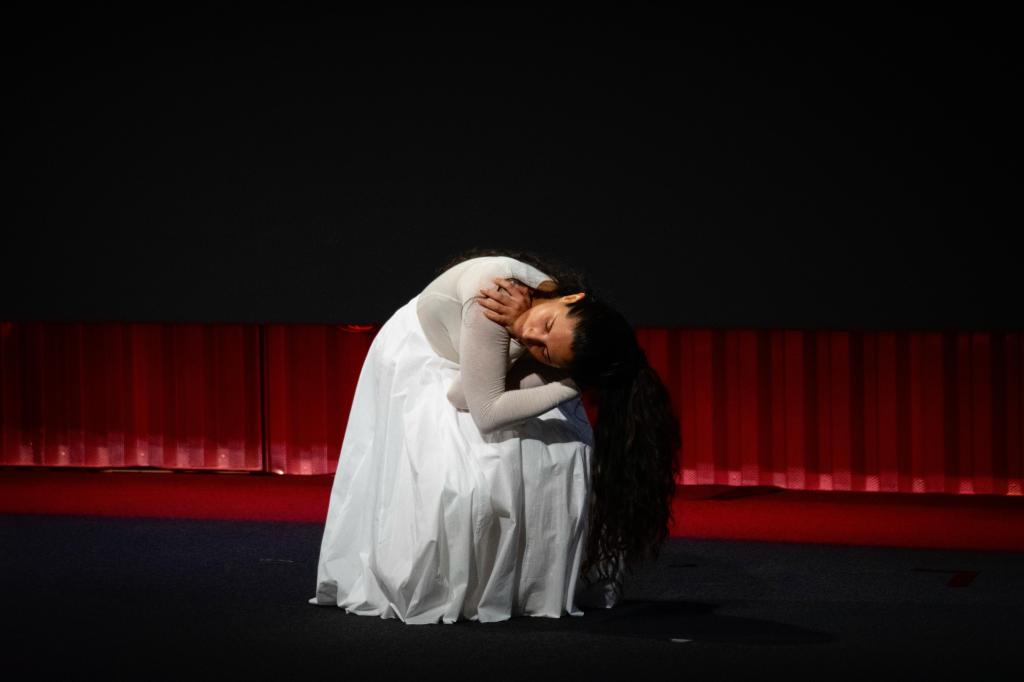
This was followed by Professor Neil Buhne who stressed upon the “bridging of cultures” magic of Qawwali (a form of Sufi Islamic devotional singing) and is a firm believer in drawing inspiration from people’s stories and keeping the personal connections going strong. Our own Inés Léon Giménez gave a powerful dance performance titled Dancing is Resisting that touched upon the themes of colonialism, slavery and the arrival of oppression on Reunion Island. Rashi Puri, our student speaker, talked about her research titled A Discovery of Loss: Uncovering Memories of the Partition which talks about the pain of being uprooted from ones’ homes during and after the Partition of the Indian Subcontinent in 1947. She hopes to rebuild the bridges that were burned down in 1947, for the people who have entrusted her with their memories, their past and their histories.
Hossein Cheaito, a PHD candidate at the Institute, broached the question of What if Love – not Capital – Was the Foundation of Our Economy?. His research looks at how inclusion does not necessarily mean empowerment and how it can reinforce power structures that weigh down on queer bodies. He proposes and is looking at a form of capital born from intimacy. There was a performance by Mau Jim who blends acoustic softness with stadium rock energy. His message of “you gotta find your way” is something that is very relevant to everyone as individuals.
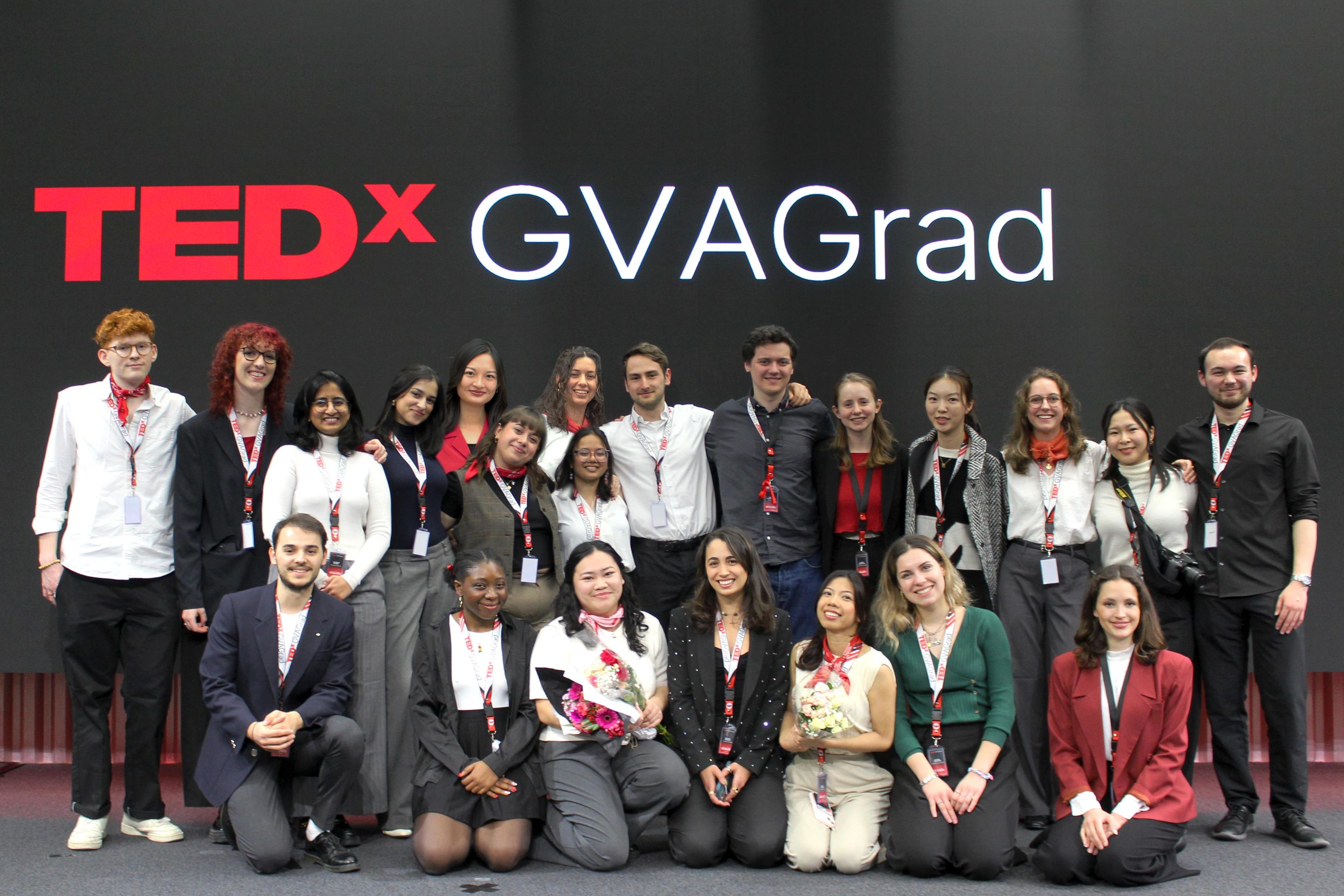
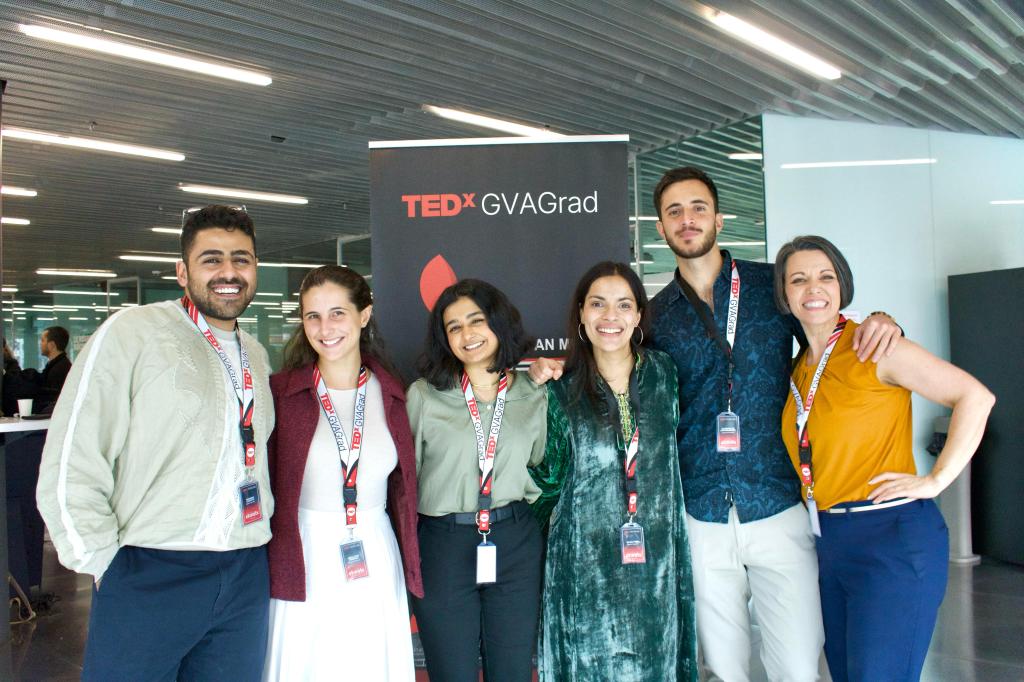
TEDxGVAGrad 2025 was made possible with the generous support of Swissquote and PwC, whose commitment to innovation and societal impact aligned seamlessly with this year’s theme of Building Bridges. Their contributions helped create a space for dialogue, inclusion, and transformative ideas. Lastly, a special mention to the incredible team of TEDx – the students of the institute who worked tirelessly behind the scenes to ensure the event ran smoothly.
 The Graduate Press - La Gazette de la Paix
0 comments on “Building Bridges: A recap of TEDxGVAGrad 2025”