
By Motahareh Mohebi, News Editor of The Graduate Press
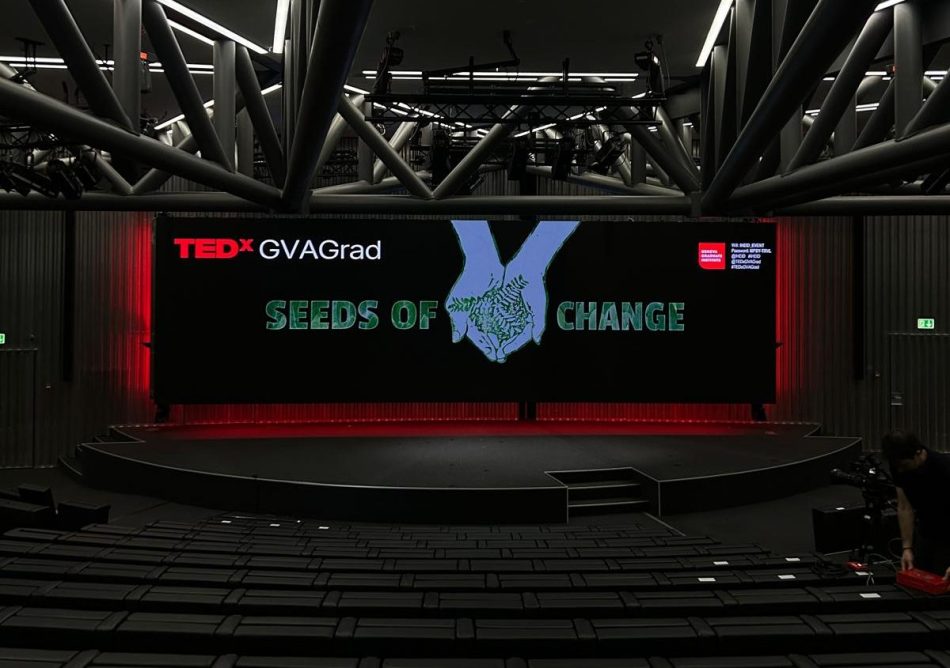
I believe that on April 19th, 2024, some seeds of change were planted in the hearts of the audience at the TEDx GVAGrad event, from which we can expect some strong branches to grow in the near future. These seeds covered a wide range of topics: art, women’s issues, mental health, diseases and cures, fieldwork, improvement, identity, marketing, and environmental issues. One thing that I noticed was the fact that every speaker used some personal narrations and memories, and most of the time, they started their speech like this: “imagine…” It felt as though the whole event was a journey we were undertaking together. The presence of the students was bold, from being on the executive team to being speakers and performers; they all did a brilliant job. I was particularly impressed by the performance of Shruti Merin Lal. Her poem was so strong and shocking. It was an introspective journey through the struggles and aspirations of a woman determined to change the world, navigating the complexities of life’s challenges and the resilience needed to pursue hope in the face of adversity. It made the audience confront itself and see themselves in a new light. Snigdha Agarwal Srinivas reminded us that the seeds of change are already within our hearts; we just need to water them. Jeremy Chavez helped us to express emotions through simple acts like laughing. Claude-Emmanuel emphasized the importance of storytelling and how powerful it is in effecting change, especially concerning human rights issues. I learned from Brice Bambara that we can see any unfamiliar and different place from our everyday surroundings as a field, and that what is a field for us is always also a home to others. I listened to Shruti Satish talk about how home is not just a place but a feeling, and how being part of the diaspora can be an enriching experience for children, despite the challenges of fitting in. Aurelie Schmiedlin discussed the biases surrounding poverty and explained how using digital tools for stable income and planning, instead of relying on common aid packs, can develop the economy of poor regions and improve the financial situation of individuals. And we learned from Brian Moscioni how to overcome anxiety, even the anxiety of taking risks, with the help of exposure therapy, and not letting anxiety consume us. In conclusion, student’s poems and speech were really amazing.
Later, we listened to Georg Krause talk about how knowing our intentions can help us create attention and how our brains are constantly learning, so we should speak to ourselves positively. Brindusa Burrows discussed three lessons we can learn from art: having the courage to experience, asking to learn what we do not know, and embracing childlike wonder. We also witnessed a long and breathtaking dance performance by Beaver Dam Dance Company fellows.
Christina Bouglass made us think more deeply about marketing and how any brand can find a purpose, not just any purpose, but a good one. Margherita Pallottino talked about how we can learn from strawberries to create our network and how this can lead to the improvement of women’s universal knowledge, aiming for a fairer world.
Two speeches particularly confronted one of my main phobias in life: serious diseases like blindness in Africa. Doctor Sabin Specht and Professor Thomas Berger talked about blindness caused by a parasite and the death of children under the age of 5 due to respiratory distress. Professor Berger and his wife undertook significant missions and saved many children through their NGO. Additionally, Doctor Specht explained that she and her colleagues are working hard to find a medicine for river blindness.
However, the most impactful part for me were two speeches about women. Esther Digemans discussed sexual harassment during conflict times and how these women find novel ways for reparation other than through the state or courts. Fatima Hosseini talked about her photography projects of Afghan women and her current project on the Silk Road, aiming to portray the aesthetic and beautiful aspects of Afghanistan through capturing women’s faces. After the Taliban’s return, she is now attempting to continue her projects on artist women in exile, striving to break the cliché of victimized women.
Then, Robertta showed us a picture from her childhood hometown, Chioggia, which is likely to be submerged in the future due to rising temperatures. She discussed alternative ways of using renewable energies instead of burning fossil fuels. Finally, Doctor Zuma discussed the importance of trees and the harms of deforestation and jungle destruction in a fun and engaging way. He reminded us that the tree is in the seed and the fruit is in the tree, and the whole jungle is in the seed. Starting from a seed and ending with the seed, that event became one of the most memorable events that I attended.
TEDxGVAGrad wants to thank its sponsors whose contributions made this event possible, and show particular appreciation for the generosity of PwC Switzerland. PwC Switzerland is the leading audit and advisory company in Switzerland whose purpose is to build trust in society and solve important problems. Its network of firms, each of which is a separate legal entity, in 151 countries counts nearly 364,232 people who are committed to delivering quality in assurance, advisory and tax and legal services. Find out more here about PwC Switzerland.
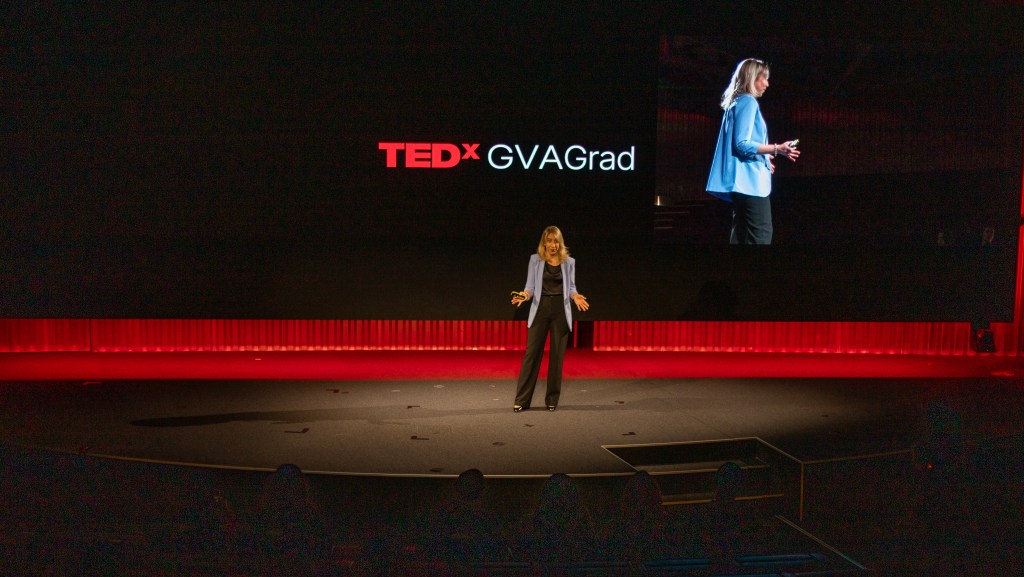
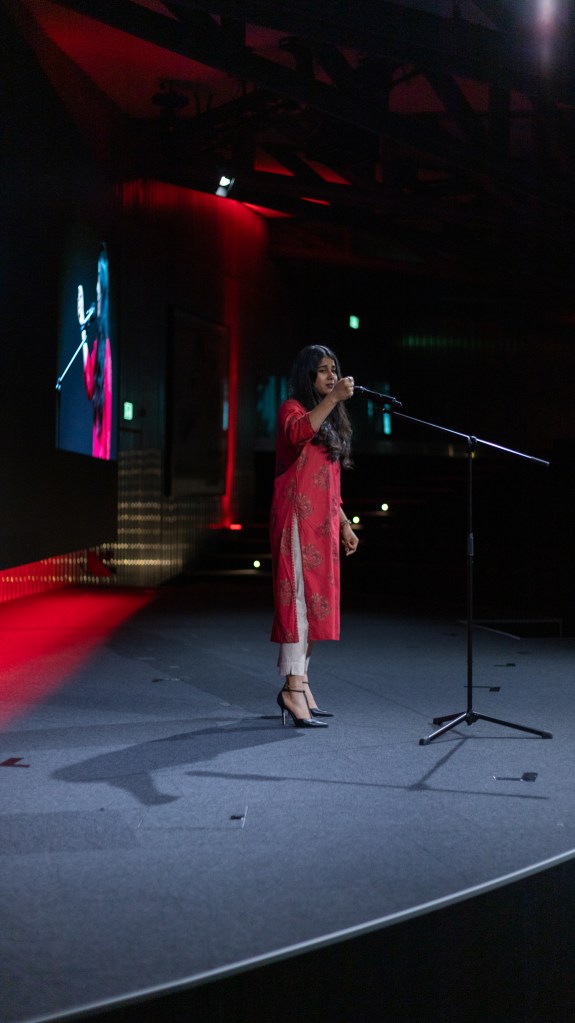
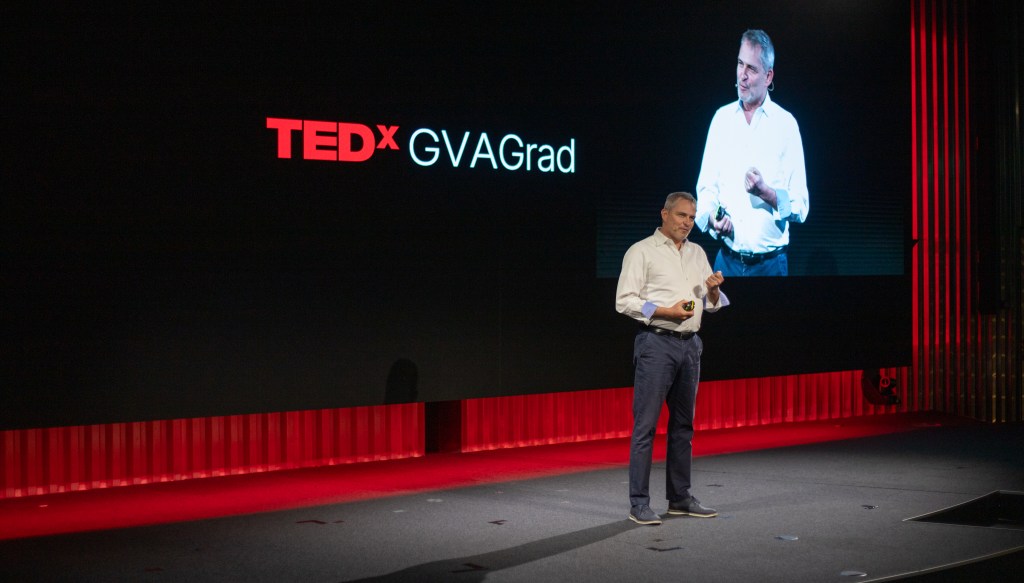
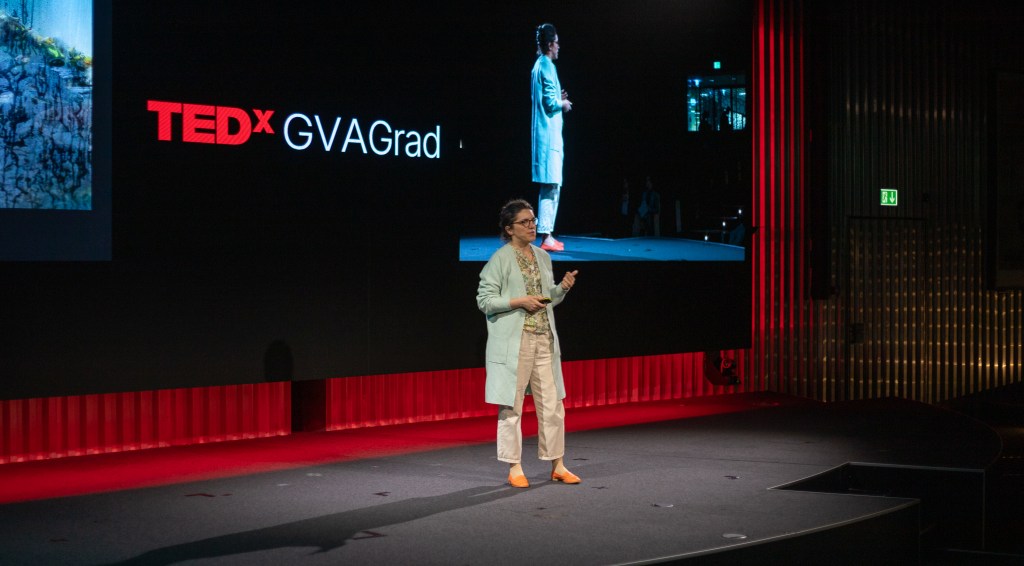
Photo credits: TEDxGVAGrad
 The Graduate Press - La Gazette de la Paix
0 comments on “Seeds of Change: A Recap of TEDx GVAGrad 2024”