
by Nadir Gerber
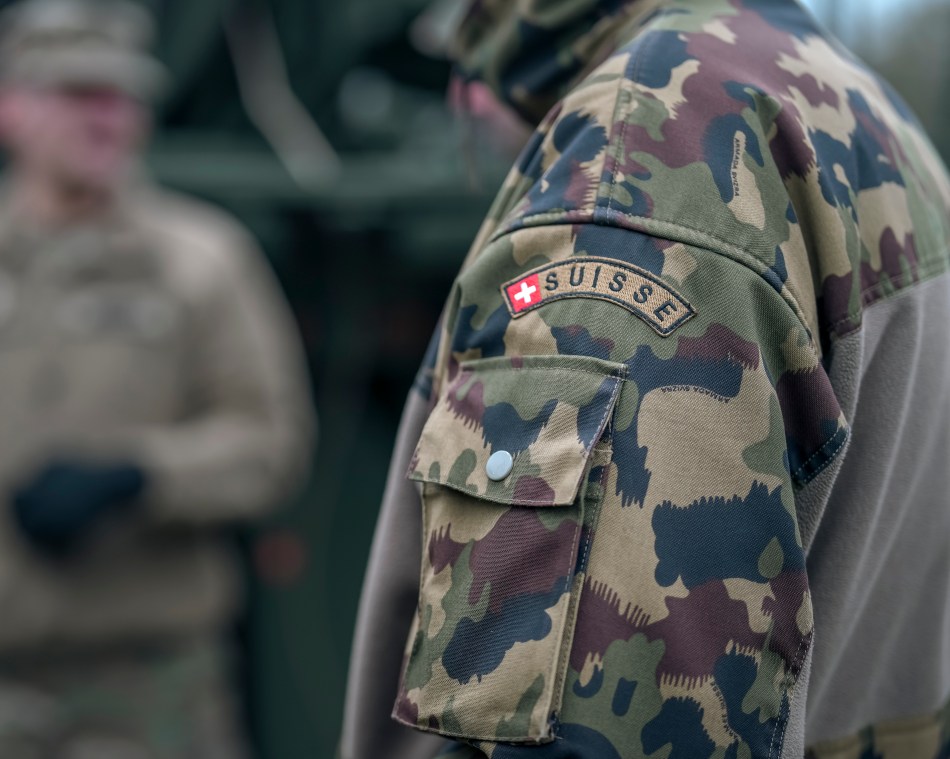
On 27 September, the Swiss public strongly rejected the proposed Neutrality Initiative. When the polls closed, the referendum had terminated in a vote of 70,16% against. Had it been adopted, the initiative would have placed further restrictions on interactions with states engaged in armed conflict. Proponents of the initiative asserted that such measures would strengthen and reaffirm Switzerland’s status of permanent neutrality.
By rejecting this purported strengthening, does the outcome of this referendum signal a decline in public support for neutrality? Nicholas Niggli, co-founder of On Ventures and a former Swiss diplomat and WTO Chair, cautions against such a reading. Swiss neutrality provisions are not being repealed; The rejection of the referendum simply retains the status quo. He contends that the outcome was not a vote against neutrality but for flexibility. As the nature of warfare continues to rapidly shift and change, any rigid neutrality text would necessitate perfect foresight. In lieu of augury, flexible interpretations permit dynamic responses to novel circumstances.
One month out from the Swiss Neutrality Initiative referendum on 29 November, Swiss voters will once more cast a vote to determine Switzerland’s future role in war. The forthcoming referendum asks voters to approve an amendment to the War Materiels Act. If passed, this amendment will, among other provisions, remove sellers’ obligations to confirm that Swiss weaponry and other materiel are not re-sold to states engaged in armed conflict. This will permit trade to countries like Germany which have previously signaled the intent to forward such equipment to Ukraine.
The Parliamentary Federal Council encourages the passage of the amendment. In its official recommendation, the Council argues that maintaining a competitive domestic arms industry “will increase the capacity of our country, which is neutral, to defend itself in case of an attack.”
Niggli voices a parallel sentiment. “[A domestic defense industry] lets Switzerland produce, repair and adjust quickly when a surprise arrives, including in civil protection and disaster response. Exports help sustain that base, within rules that protect our neutrality and our reputation.”
Despite conspicuous reference to Switzerland’s neutral status by the Federal Council, expert opinion advises that neutrality and the domestic arms industry remain two separate issues. Dr Andrew Clapham, professor of international law at the Geneva Graduate Institute, stresses this distinction. He does however note that the outcome of the referendum will likely impact external perception of Swiss neutrality.
Terre des hommes, an aid organization based in Switzerland, cites external perception among its multiple reasons for opposing the amendment. It argues the relaxation of arms industry regulations may damage “Switzerland’s credibility as a pioneer in peace policy and humanitarian principles” and decrease its capacity to act as a mediator between warring states.
Public opinion on the referendum remains highly divided. Polls currently show 44% for, 47% against, and 9% undecided.
Clapham refrained from offering a prediction of the referendum’s outcome. Nevertheless, he remarked on the inconvenience of abiding, as the Swiss do, to the Hague Convention on Neutrality. The convention, adopted in 1907, includes strict obligations concerning not only direct participation in hostilities but also matters of trade, the treatment of wounded soldiers, and the stationing of foreign troops domestically. To violate any of these clauses is to become a legitimate target. As the Swiss referendum has brought attention once more to the content of the convention, actors from states with traditions of neutrality or a constitutional attachment thereto may reckon with the actual value of retaining a position adopted over one hundred years ago.
“[I]t’s just where we are in the world where some states and some lawyers within states are grappling with this idea of what’s left with neutrality. And I think the short answer is nobody quite knows. And what states do in this period, of course, changes the law because it becomes the customary international law,” states Clapham.
In the face of the destabilization of legal norms, both Niggli and Clapham counsel that law can and should continue to be used as a tool for peace-making. As Niggli states,
“In times this volatile and uncertain, no single instrument will suffice. We will need an arsenal for peace: solutions, frameworks, technology and human talent. The legal core gives us stability. What we build around it will give us resilience at home and relevance abroad.”
As Switzerland navigates its own negotiation of the laws of neutrality, the world faces a much more destabilizing question: Is war still undesirable?
While wars of aggression remain a relative taboo, a growing segment of policy makers and institutional actors are recommitting themselves to a mindset wherein war is inevitable, important, and productive – what Clapham describes as leaders effecting bombast demonstrative of a “perverse enthusiasm for war.”
In the face of the reconsideration of neutrality and a reembrace of rhetoric favorable to the proliferation of armed combat, the violence enacted by states like Russia, the US, and Israel may be only an opening salvo for a new, bloody global order.
Despite such grim prospects, Clapham rejects the notion that a world without war is unattainable utopianism.
“Just as people said you can’t have slavery – at a certain point it became obvious you shouldn’t have it. Other people were saying, well, it’s a fact. It’s here to stay. We’ll never get rid of it. So we should get rid of the mentality that makes people think, ‘I’m going to join the war,’ ‘War is important,’ ‘Let’s have a war to resolve this,’ ‘We need to get ready for war’. All of this ought to be banished.”
The referendum on 29 November will not be a resolution to any of these questions, but it may prove to be a further stone delineating the path the world is now blindly paving.
Nicholas Niggli’s full responses can be read here.


Pingback: Former Chairman of World Trade Organization Answers Questions on the Swiss Arms Industry and Neutrality – The Graduate Press